Redesign Your Outdoor Space: Top Deck Staining Services for Lasting Beauty
Transforming an exterior area evidence often begins with the condition of the deck. Staining services serve a crucial purpose in improving and safeguarding this area. Quality stains not only enhance the aesthetics but also protect against weather-related deterioration. As homeowners aim to create welcoming environments, grasping the nuances of deck staining becomes essential. What elements should one consider to ensure a durable and attractive finish? The answers exist in the specifics of the staining process.
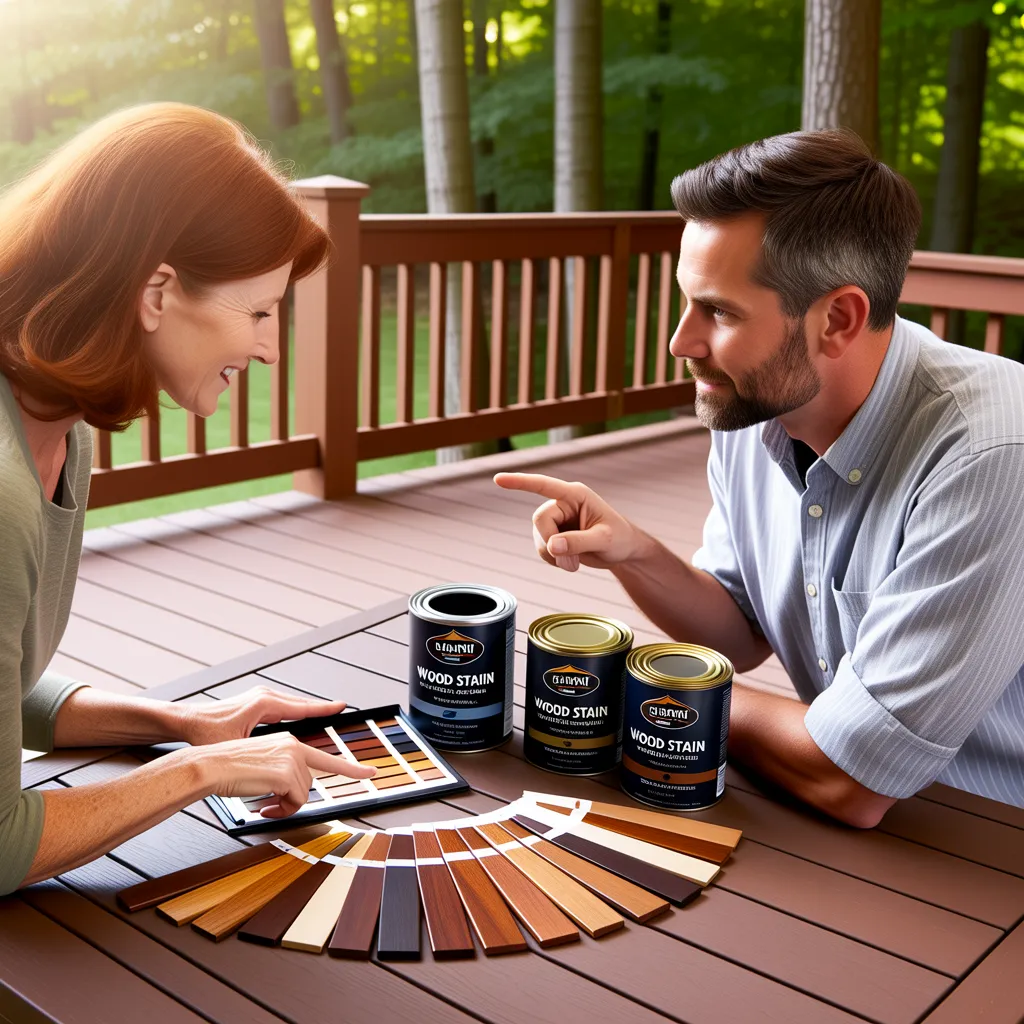
Why Staining Your Deck Remains Important for Your Outdoor Environment
Deck finishing serves as an essential safeguard for outdoor spaces, enhancing both appearance and longevity. Without proper staining, decks are vulnerable to the damaging impacts of weather, including UV rays, rain, and snow, which can lead to wood rot and deterioration. Applying stain creates a barrier that prevents moisture penetration, reducing the risk of mold and mildew growth. Additionally, it helps to maintain the wood’s natural color and texture, preventing fading over time.
Additionally, consistent treatment can extend the durability of a deck, protecting homeowners from costly upkeep or replacements. It also boosts worth to the home by improving street-facing appeal. The proper stain can display the unique grain of the wood, providing the patio setting a polished look. Ultimately, deck staining is not merely an design choice but an important aspect of sustaining a secure and appealing exterior environment.
Selecting the Perfect Deck Stain: Colors and Coatings Clarified
Determining the best deck stain entails understanding the various colors and finishes available, which can significantly shape the overall appearance and longevity of an outdoor space. Deck stains generally come in three main categories: transparent, semi-transparent, and solid. Transparent stains allow the wood grain to show through, providing a natural feel while delivering minimal protection. Semi-transparent selections enhance the wood's texture and color while providing better UV protection and longevity. Solid stains, on the other hand, provide the highest level of protection, effectively hiding the wood grain and providing a uniform color.
When choosing a color, homeowners should evaluate their established outdoor decor and surrounding landscape. Warm earth colors and grays often coordinate nicely with natural settings, while vibrant hues can provide a pop of personality. Finally, the right stain not only enhances aesthetic appeal but also prolongs the life of the deck, making this selection essential for long-term satisfaction.
Important Elements of the Finest Deck Finishing Options
The best staining solutions for decks are characterized by various critical elements that guarantee a superior finish. These include the choice of premium stains, the utilization of expert application methods, and a meticulous preparation stage. Together, these elements result to a sturdy and aesthetically pleasing result for any deck.
High-Grade Stain Selection
Picking the ideal coating can substantially affect the lifespan and visual appeal of a deck. Selecting quality stains demands several key factors, encompassing durability, weather resistance, and aesthetic appeal. Premium stains are formulated to resist environmental conditions, blocking moisture infiltration and UV damage. Furthermore, they often contain mold and mildew inhibitors, which enhance a longer-lasting finish.
Color options also play an essential role; a well-chosen shade can enhance the natural appeal of wood while complementing the surrounding landscape. Moreover, specialized stains offer varied sheens, from transparent to solid, allowing homeowners to achieve their desired look. Overall, selecting a high-quality stain is critical for ensuring that a deck remains beautiful and functional over time.
Professional Application Techniques
After identifying a top-tier stain, the application strategy becomes essential to obtaining ideal results. Professional deck staining services employ precise techniques to pledge an even and resilient finish. Experts typically leverage tools such as sprayers, brushes, or rollers, each appointed based on the stain type and deck material. They often apply the stain in thin regular layers, supporting greatest absorption and stopping ugly drips or pooling. Additionally, professionals understand the importance of functioning in suitable weather conditions, ensuring the stain adheres properly. Some may also incorporate back-brushing techniques to guarantee thorough coverage in textured areas. By leveraging these methods, professional organizations enhance not only the appearance but also the persistence of the deck, protecting it against the elements.
In-Depth Getting Ready System
Making comprehensive readiness a priority is what sets the best deck staining companies apart from the competition. These professionals begin by inspecting the deck for damage, guaranteeing structural integrity before any staining occurs. They meticulously clean the surface, removing dirt, mildew, and old finishes to create an optimal bonding environment for the new stain. Some services even utilize pressure washing to eliminate stubborn grime effectively. After that, they address any repairs, substituting damaged boards or reinforcing loose elements. A quality deck staining service will also sand rough areas to achieve a smooth finish, allowing for even stain application. This thorough preparation not only enhances the aesthetic appeal but also extends the lifespan of the deck, ensuring long-lasting beauty and protection against the elements.
DIY or Professional Deck Stain Solutions: Selecting Your Best Option?
When assessing deck staining possibilities, people often compare the cost against the skill level required for each approach. DIY projects may offer a lower initial cost but require a certain proficiency to accomplish acceptable results. In contrast, hiring specialists involves increased costs but typically guarantees a superior finish and long-term durability.
Financial Matters at Play
Weighing do-it-yourself deck staining against enlisting a professional demands careful consideration of various monetary elements. DIY projects often look cost-effective initially, as they involve just the investment in goods, which can include finishes, application tools, and protective gear. However, unplanned costs such as leasing equipment or purchasing tools may arise. In contrast, professional expertise come with a substantial starting cost, encompassing labor, competence, and usually a guarantee on the delivered work. This investment can lead to durable finishes that can save total costs in the future by minimizing the need for periodic maintenance. Ultimately, the selection depends on evaluating immediate costs and long-term benefits, ensuring homeowners choose the route that aligns with their financial means and maintenance inclinations.
Required Skill Proficiency
Assessing the skill level needed for deck staining is essential in ascertaining whether to tackle the project yourself or engage a professional. For those with experience in home improvement, a DIY approach may be workable. Basic abilities such as preparation work, coating methods, and proper tool use are necessary. However, inexperience can cause inconsistent coating or inadequate protection.
Conversely, bringing in a professional secures a top-tier result, as they possess professional knowledge and specialized tools. They are capable of managing challenges, like weather conditions and product selection, competently. Ultimately, the choice depends on an individual's belief in their abilities and the desired longevity and appearance of the deck. Weighing skill level against project expectations will determine this critical decision.
Tips for Preserving Your Deck's Long-Lasting Appeal
Keeping your deck beautiful demands ongoing upkeep and dedication. Regular cleaning is vital; sweeping with a broom or using a leaf blower to clear debris stops mold and mildew buildup. A careful pressure wash every few months can rejuvenate the surface, but caution is necessary to protect the wood from damage.
Surveying the flooring for signs of tear, including splitting or fading, is vital. Any impaired boards should be replaced promptly to preserve structural integrity. In addition, applying a high-quality stain or sealant every few years improves protection against UV rays and moisture, extending the deck's lifespan.
Seasonal maintenance is also important. In winter, removing snow and ice helps prevent moisture-related issues. Finally, laying down rugs or mats in heavily used areas can reduce wear and tear. By following these simple yet effective maintenance tips, homeowners can guarantee their decks remain beautiful and functional for years to come.
Motivating Pre and Post Deck Changes
Improving a deck can substantially enhance both its aesthetic value and practical application. Before and after projects demonstrate the impactful difference that professional staining services can create. In many cases, worn, gray wood is revitalized into a deep, inviting hue, instantly uplifting the entire outdoor space.
For instance, an neglected deck with peeling paint and visible wear can be rejuvenated into a beautiful focal point for gatherings, featuring a smooth finish that invites guests to linger. The inclusion of coordinating furniture and railings further accentuates the makeover, establishing a unified appearance.
Moreover, these advancements aren't purely about beauty; they also improve longevity. A properly stained deck is shielded from the weather, withstanding water damage and UV harm. Consequently, before and after images not only inspire but also highlight the value of investing in premium deck finishing solutions, ensuring long-lasting enjoyment and enhancing outdoor recreational environments for years to come.
Regularly Posed Questions Which Appear Up Often
How Often Should I Stain My Deck?
Decks should generally be stained every 2-3 years, based on weather exposure. Regular inspections can help determine the need for staining, guaranteeing protection and preserving the deck's visual appearance over time.
Is It Possible to Stain Over Old Paint or Stain?
Coating over old paint or stain is typically not recommended. Preparing surfaces, including thorough cleaning and possibly sanding, is essential to ensure solid adhesion and a smooth finish, increasing the longevity of the new stain.
Which Climate Conditions Are Optimal for Applying Stain?
The ideal atmospheric conditions for staining occur on dry and temperate days with heat levels between 50°F and 90°F. Low humidity and minimal wind also encourage optimal bonding and drying, delivering a durable coating for outdoor surfaces.
What Is the Typical Duration of Deck Stain?
Deck stain typically lasts from three to five years, depending on factors such as climate, sun exposure, and the type of wood. Regular maintenance can prolong its lifespan and enhance the deck's look.
Are sustainable stain options accessible?
Yes, various green coating alternatives are provided, encompassing water-based and botanical blends. These offerings decrease toxic chemicals while ensuring dependable defense and enhancing the organic beauty of wood, making them ideal for eco-aware homeowners.